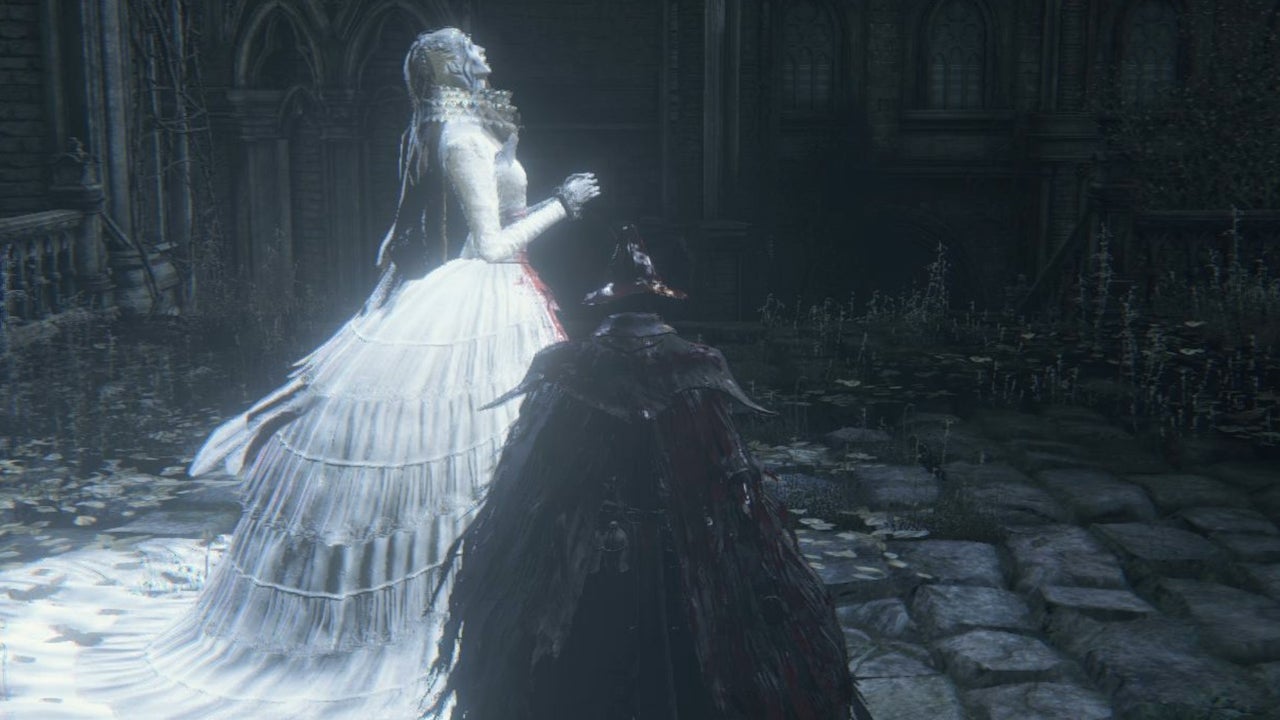
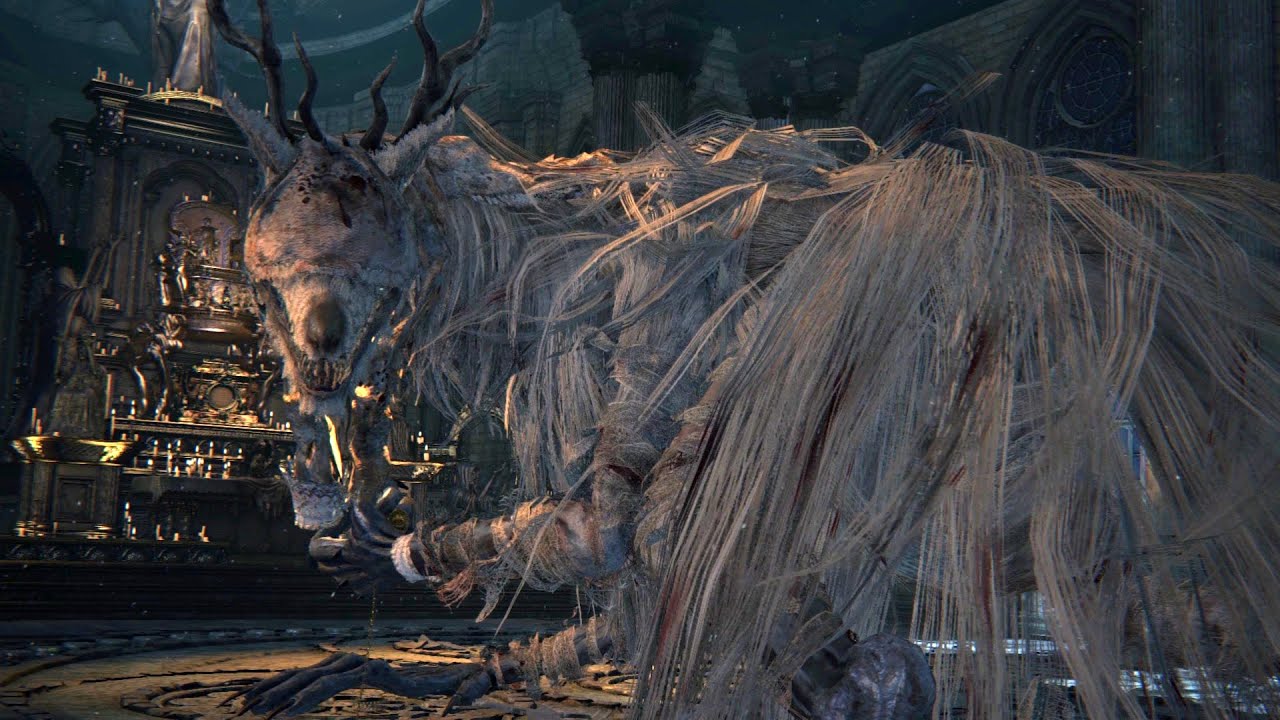
Sekiro: Shadows Die Twice is an action/adventure video game developed by FromSoftware and published by Activision. It was released for Microsoft Windows, PlayStation 4, and Xbox One on 22 March, 2019. The game takes place in Japan during the Sengoku era and tells the story of Wolf, a shinobi whose lord gets kidnapped and has to save him at all costs.

As said before, Sekiro is an action/adventure video game, mainly focused on stealth, combat and exploration. The game's director is Hidetaka Miyazaki, which created the Dark Souls series and Bloodborne, so the video game shares some "SoulsBorne" characteristics.
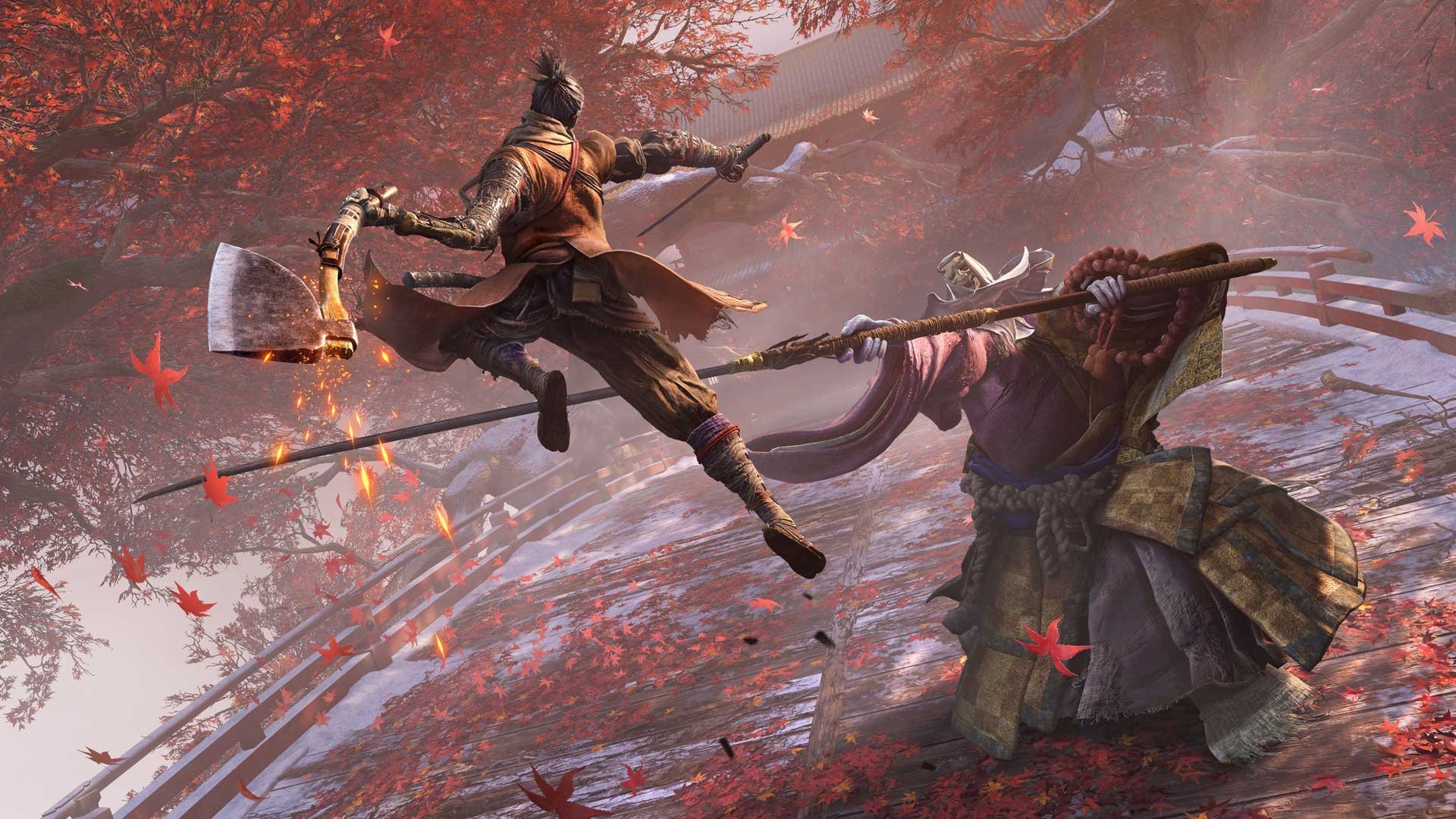
In Sekiro, you can upgrade your gear (Wolf's prosthetic arm), learn new skills, and customize your abilities. Your main weapon is a katana named Kusabimaru, which is used to break enemies' posture (the enemies' blocking ability) by attacking them in order to reduce their health points. If you attack your enemy enough they leave an opening that allows you to strike a deathblow, an attack that instantly takes one health bar. Moreover, the stealth elements (inspired by the likes of Tenchu and to a certain degree the Metal Gear Solid series) allow you to remain undetected and in doing so you can eliminate some enemies and even take one health bar of some main bosses. In addition, you have a grappling hook that helps you reach different places. Also, Wolf has a special ability that allows him to resurrect if you die fighting. This ability is limited, but can be restored by defeating enemies. Another important thing to add is that saving the game can only be done by quitting to the main menu, and by doing so, enemies respawn (except bosses) and you replenish your health bar and health items. Also, compared to other FromSoftware games, the game can be paused and our character can jump (Yay!). In addition, you can talk to NPCs to know more about the game's plot and complete some quests.
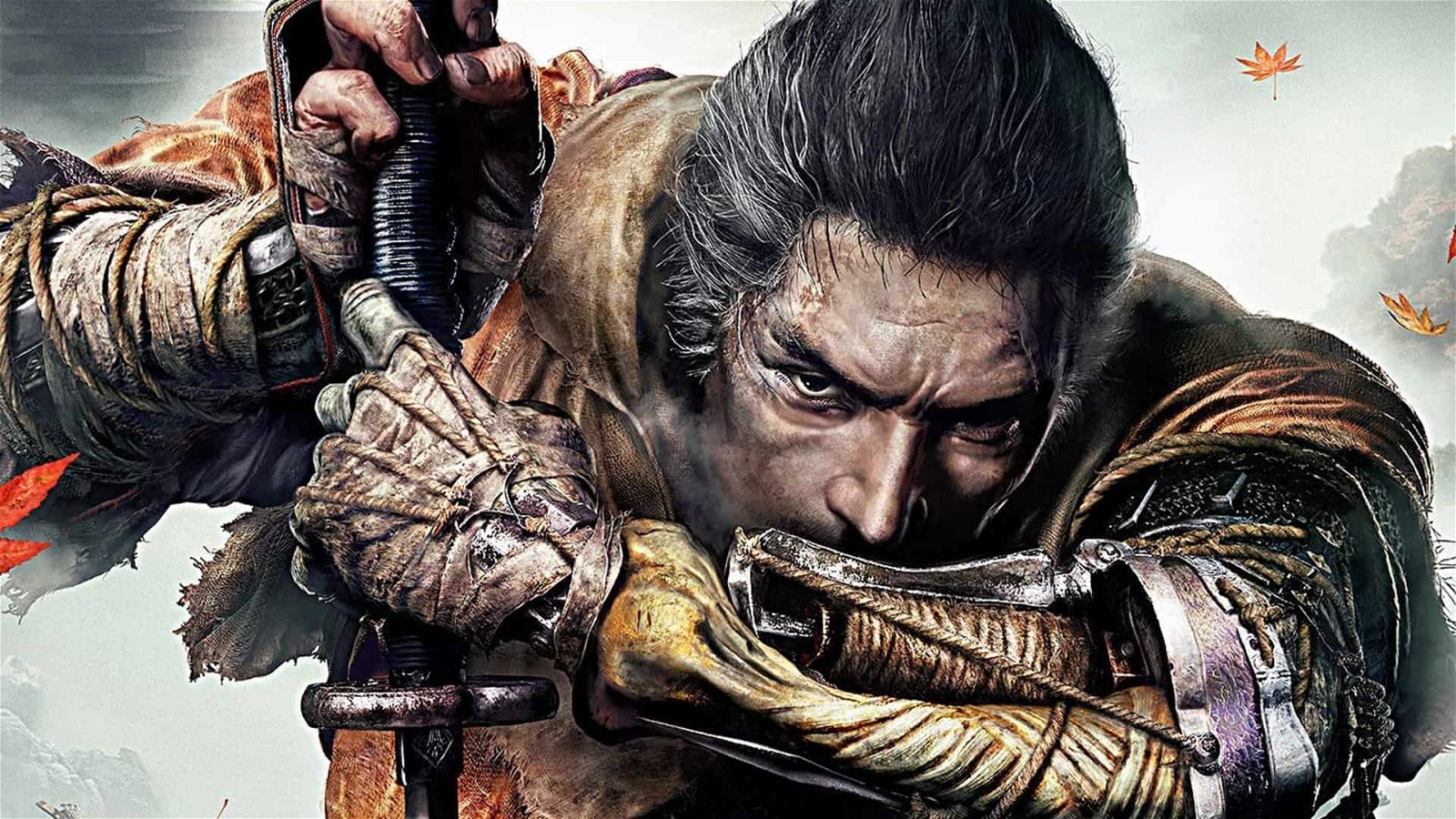
Sekiro has been regarded as a game with a very high difficulty, and I have suffered a lot while playing it. The gameplay is amazing and fighting your way through the levels is an unforgettable experience. The game has a total of 41 bosses and mini bosses, and most of them are a nightmare, but every battle is epic and a rewarding challenge. Every boss requires a different strategy and combats are based in trial and error. A player is going to die countless times in Sekiro, and you can get frustrated easily, but achieving victory in this video game is the greatest reward you can obtain.

Some characters in Sekiro are:
- Wolf (Okami in Japanese) aka One-Armed Wolf (Sekiro in Japanese): He is the protagonist of the story. An orphan who was saved from a war-torn battlefield as a child and trained to become a skilled shinobi (or ninja). He is not a very talkative person, but goes through hell and back to protect his master Kuro. He is given the ability of resurrection by him.
- Kuro, The Divine Heir: He has special blood that grants immortality. He is abducted by Genichiro Ashina who wants to use that power. He is a young, but very intelligent and mature boy.
- Genichiro Ashina: Member of the Ashina clan. He wants to save his country from enemy forces by using Kuro's blood. He is a very skilled swordsman and the man who cut Wolf's left arm.
- Sculptor: A man who carves Bhuddas statues to atone his past sins. He is the one who finds Wolf after being left for dead and gives him his new prosthetic arm and helps you through your journey.
- Emma: A woman who helps Sekiro in his journey with her medicine expertise. She is kind and loyal to Lord Kuro as well.
- Ishiin Ashina: Warlord whom through a coup took control of Ashina. Twenty years later, old and ill, he just waits for his enemies to take over. He is a very kind man towards Okami and helps us through our journey as well, even if it means going against his adoptive grandson Genichiro's wish.
- Owl: Sekiro's adoptive father. He taught him the way of the shinobi and apparently died on Hirata state three years before the game begins. A very powerful warrior with shady motivations.

Visually speaking, graphics are a 10/10. Sekiro is beautiful, since the scenery is one of the most detailed I have ever seen on a video game. The attention to detail FromSoftware put in every level is amazing. Every scenario is breathtaking and every combat takes place in very distinctive places.

Inspired by ancient japanese music, the OST is nothing but great. Compared to other FromSoftware games, Sekiro has level and boss music, and they are calm, sad, beautiful and epic, which go pretty well with the game's themes.

Regarding the plot, Sekiro does not have a cryptic story like other FromSoftware games. Actually, the story is pretty straight-forward, but if you want to know more about certain characters or facts, you can read items and talk to the multiple NPCs around Ashina and its surroundings.
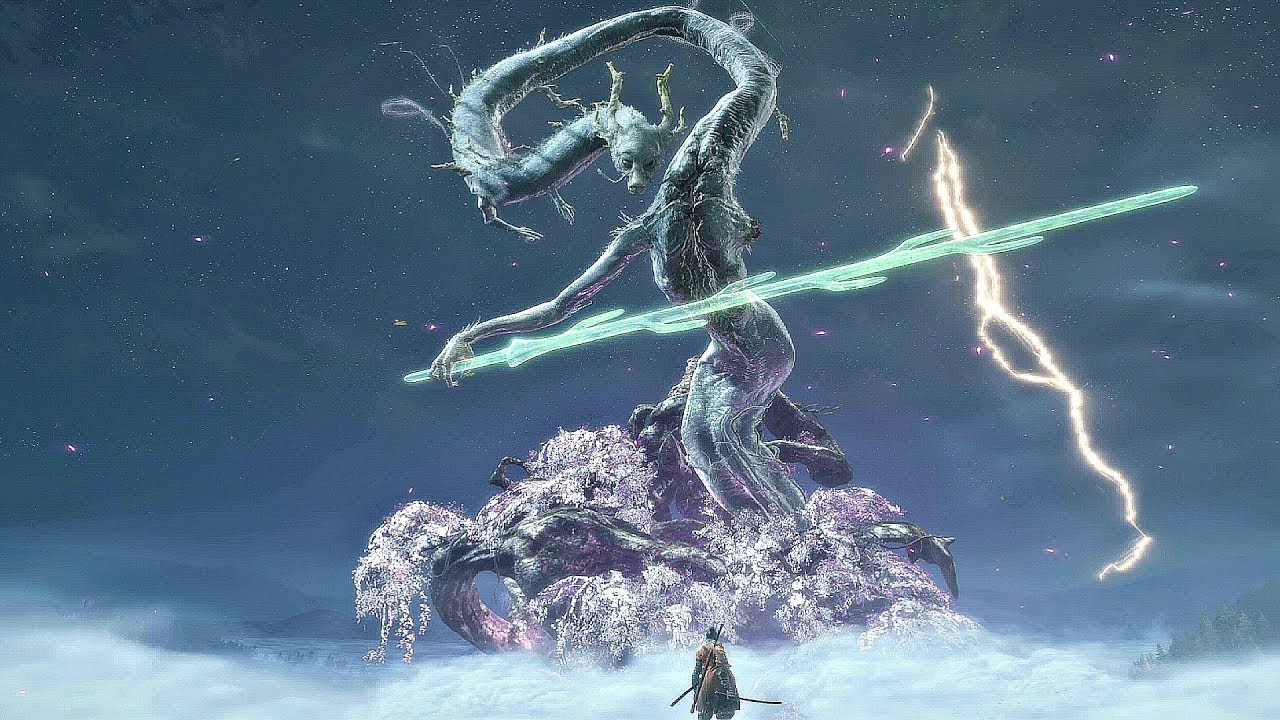
The theme of immortality once again appears in this FromSoftware game. The obsession the characters have regarding eternal life drives them insane and hungry for power. An example of this is Genichiro, who wants to create an army of immortal beings to save his country, even if it means sacrificing his own humanity in the process. Throughout Ashina and its surrounding many people have lost themselves because of their obsession with the divine blood, but Wolf's loyalty and sense of honor is greater. Genichiro wants to save his country, while Sekiro wants to protects and save a child. Both noble motivations that are twisted by the atrocities they commit on the battlefield.

War has never been fair or beautiful, and in Sekiro's world it is no different. We find betrayal and hatred, but also characters who want to do the right thing to protect or help someone they cherish. There are divided loyalties by proud warriors who serve faithfully to their masters, and people haunted by their glory days or past sins.

The video game has four endings, and to get them you have to play again to find how to unlock them.

All in all, Sekiro is a masterpiece who deserves all the praise it gets, because of its gameplay, combats, graphics, plot, and music. Everything in this game is placed almost perfectly and has a lot of replay value, and in the +50 hours I put into the game I had frustration, but also lots of fun. Reaching the final battle and beating the last boss is an experience that every hardcore gamer should try at least once in their life.
In Sekiro, you can upgrade your gear (Wolf's prosthetic arm), learn new skills, and customize your abilities. Your main weapon is a katana named Kusabimaru, which is used to break enemies' posture (the enemies' blocking ability) by attacking them in order to reduce their health points. If you attack your enemy enough they leave an opening that allows you to strike a deathblow, an attack that instantly takes one health bar. Moreover, the stealth elements (inspired by the likes of Tenchu and to a certain degree the Metal Gear Solid series) allow you to remain undetected and in doing so you can eliminate some enemies and even take one health bar of some main bosses. In addition, you have a grappling hook that helps you reach different places. Also, Wolf has a special ability that allows him to resurrect if you die fighting. This ability is limited, but can be restored by defeating enemies. Another important thing to add is that saving the game can only be done by quitting to the main menu, and by doing so, enemies respawn (except bosses) and you replenish your health bar and health items. Also, compared to other FromSoftware games, the game can be paused and our character can jump (Yay!). In addition, you can talk to NPCs to know more about the game's plot and complete some quests.
Sekiro has been regarded as a game with a very high difficulty, and I have suffered a lot while playing it. The gameplay is amazing and fighting your way through the levels is an unforgettable experience. The game has a total of 41 bosses and mini bosses, and most of them are a nightmare, but every battle is epic and a rewarding challenge. Every boss requires a different strategy and combats are based in trial and error. A player is going to die countless times in Sekiro, and you can get frustrated easily, but achieving victory in this video game is the greatest reward you can obtain.
Some characters in Sekiro are:
- Wolf (Okami in Japanese) aka One-Armed Wolf (Sekiro in Japanese): He is the protagonist of the story. An orphan who was saved from a war-torn battlefield as a child and trained to become a skilled shinobi (or ninja). He is not a very talkative person, but goes through hell and back to protect his master Kuro. He is given the ability of resurrection by him.
- Kuro, The Divine Heir: He has special blood that grants immortality. He is abducted by Genichiro Ashina who wants to use that power. He is a young, but very intelligent and mature boy.
- Genichiro Ashina: Member of the Ashina clan. He wants to save his country from enemy forces by using Kuro's blood. He is a very skilled swordsman and the man who cut Wolf's left arm.
- Sculptor: A man who carves Bhuddas statues to atone his past sins. He is the one who finds Wolf after being left for dead and gives him his new prosthetic arm and helps you through your journey.
- Emma: A woman who helps Sekiro in his journey with her medicine expertise. She is kind and loyal to Lord Kuro as well.
- Ishiin Ashina: Warlord whom through a coup took control of Ashina. Twenty years later, old and ill, he just waits for his enemies to take over. He is a very kind man towards Okami and helps us through our journey as well, even if it means going against his adoptive grandson Genichiro's wish.
- Owl: Sekiro's adoptive father. He taught him the way of the shinobi and apparently died on Hirata state three years before the game begins. A very powerful warrior with shady motivations.
Visually speaking, graphics are a 10/10. Sekiro is beautiful, since the scenery is one of the most detailed I have ever seen on a video game. The attention to detail FromSoftware put in every level is amazing. Every scenario is breathtaking and every combat takes place in very distinctive places.
Inspired by ancient japanese music, the OST is nothing but great. Compared to other FromSoftware games, Sekiro has level and boss music, and they are calm, sad, beautiful and epic, which go pretty well with the game's themes.
Regarding the plot, Sekiro does not have a cryptic story like other FromSoftware games. Actually, the story is pretty straight-forward, but if you want to know more about certain characters or facts, you can read items and talk to the multiple NPCs around Ashina and its surroundings.
The theme of immortality once again appears in this FromSoftware game. The obsession the characters have regarding eternal life drives them insane and hungry for power. An example of this is Genichiro, who wants to create an army of immortal beings to save his country, even if it means sacrificing his own humanity in the process. Throughout Ashina and its surrounding many people have lost themselves because of their obsession with the divine blood, but Wolf's loyalty and sense of honor is greater. Genichiro wants to save his country, while Sekiro wants to protects and save a child. Both noble motivations that are twisted by the atrocities they commit on the battlefield.
War has never been fair or beautiful, and in Sekiro's world it is no different. We find betrayal and hatred, but also characters who want to do the right thing to protect or help someone they cherish. There are divided loyalties by proud warriors who serve faithfully to their masters, and people haunted by their glory days or past sins.
The video game has four endings, and to get them you have to play again to find how to unlock them.
All in all, Sekiro is a masterpiece who deserves all the praise it gets, because of its gameplay, combats, graphics, plot, and music. Everything in this game is placed almost perfectly and has a lot of replay value, and in the +50 hours I put into the game I had frustration, but also lots of fun. Reaching the final battle and beating the last boss is an experience that every hardcore gamer should try at least once in their life.