viernes, 8 de noviembre de 2019

NieR: Automata (2017): Vanish My Sorrow, Dear Machine

"It Always Ends Like This"

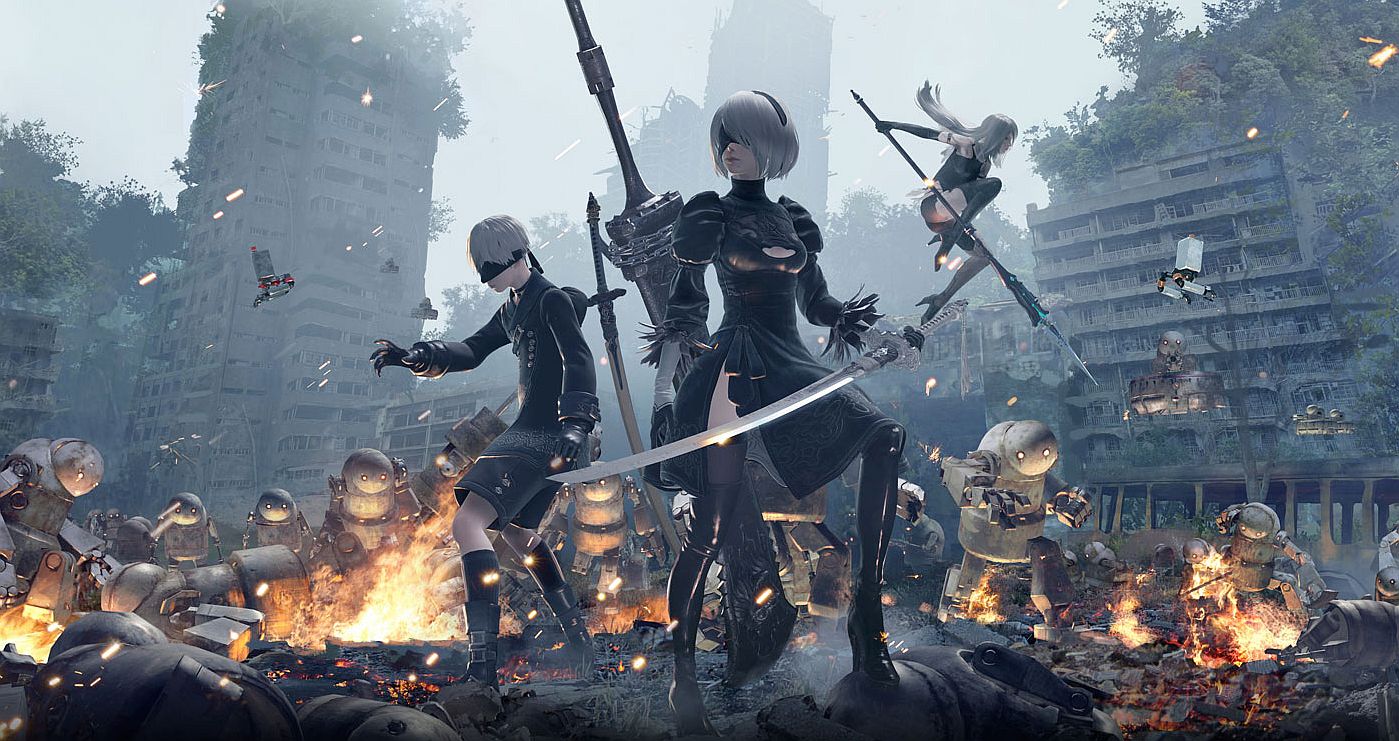
NieR: Automata (2017) is an action role-playing/hack and slash video game developed by PlatinumGames and published by Square Enix. NieR: Automata is a sequel of the video game NieR (2010) (specifically, the fourth ending of the game), a spin-off sequel to the Drakengard series created by Yoko Taro. 

Released on PlayStation 4, Microsoft Windows and Xbox One, NieR: Automata is set in the year 11,945 AD, and the story revolves around a war between human-made androids against machines from another world in order to take back control of planet Earth. 


Our main characters are:

- 2B (voiced by Yui Ishikawa (JP)/Kira Buckland (EN)): A female android part of the YoRHa units created on the moon by the humans who escaped the invasion. 2B is a beautiful character. Her style, design and clothes are marvelous and I fell in love with her (like many people on the internet). She is a strong-willed, obedient and very professional woman. She accomplishes her tasks impeccably and does what's required from her. At first, she is very short-tempered and serious, but as the story progresses we get to know her more. 

- 9S (voiced by Natsuki Hanae (JP)/Kyle McCarley (EN)): A male android, and 2B's companion in her missions. He is a very skilled hacker and a very kind individual. He has strong feelings towards 2B and as the story progresses we get to see another side of him that will not make everyone happy.

- A2 (voiced Ayaka Suwa (JP)/Cherami Leigh (EN): A prototype model who is a quiet and a very skilled fighter, resembling 2B. She is surrounded by mystery, but the more we get to see of her, the more we understand her actions.


The game is divided in three routes:

- Route A in which you play as 2B.
- Route B in which you play as 9S.
- Route C in which you play as A2.

And it has 17 chapters and 26 endings. The gameplay requires you to fight enemies by using different types of weapons (swords, blades, guns, etc.) in the vein of games like the Devil May Cry series. Moreover, if you play as 9S you can hack enemies and play a mini-game in order to do so. Also, if you fight in the air, you have to shoot enemies in a bullet hell-inspired gameplay, very similar to the Touhou video game series. In addition, the boss battles are simply epic, and most bosses have a very tragic and interesting background explaining their actions, adding more layers to the big story the video game is trying to tell and the topics it tackles.
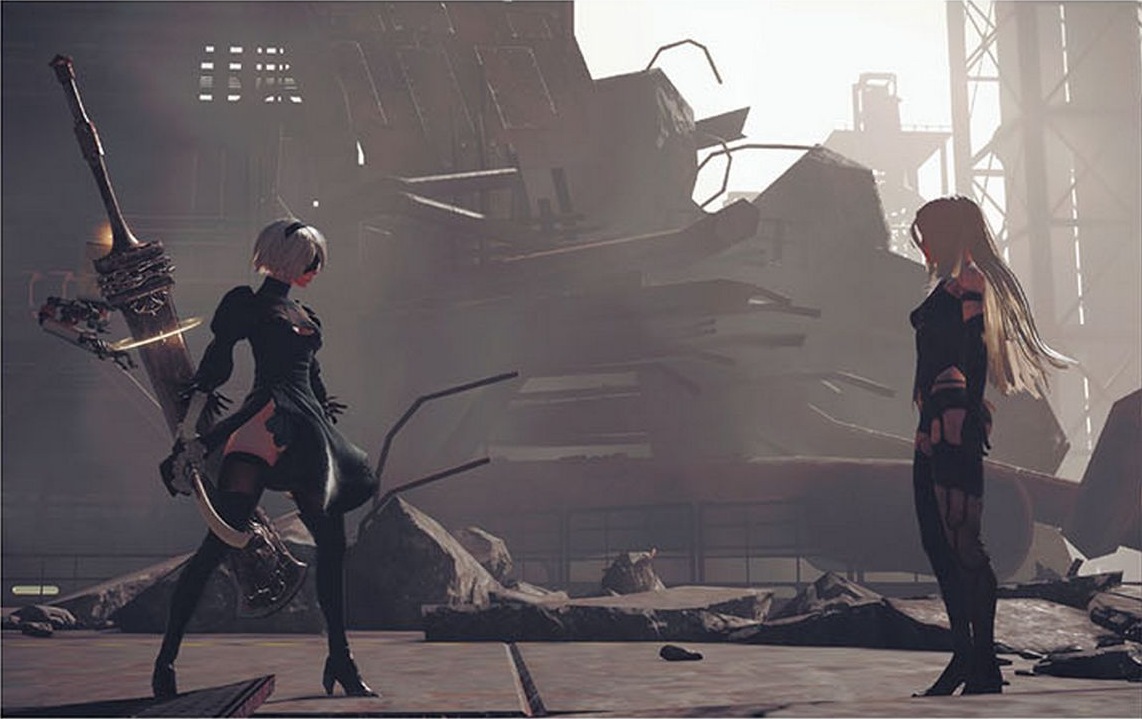

As said before, the game is set in a future in which humanity is on the brink of extinction and the few who remain on Earth fight the machine invaders, while the rest of the surviving humans have a base on the moon in which they create androids to take the planet back. N:A is one of the many games created by Japanese director Yoko Taro and follows a really extended timeline of events that originate from Drakengard, followed by NieR and this sequel. How does it all fit? I tried to make sense of the plot without playing the aforementioned games and watching YouTube videos, but I think I gave myself a brain injury. The story seems very convoluted and really confusing (which reminds me of all the twists and turns the Metal Gear series has) and I think that the only person who can make it all fit is Yoko Taro.


The philosophical themes in N:A are one of the strong points, since the video game puts you in morally questionable situations by making you choose between the unimaginable and the impossible, showing the nihilistic approach it has. This is mainly the creator's "fault", since Yoko Taro has a very dark view about life and humanity. His misanthropic ideas are powerful and devastating and makes us face what people are through the eyes of a mechanic being who feels more human than the ones we are supposed to protect and serve.

The moratorium on Nier: Automata spoilers is over | Rock ...

How do we live without god? Can we find meaning in a meaningless world? Are the machines really evil? Are androids the heroes? Who are Adam and Eve? There are many characters, including human survivors and pacifists robots on the planet. If machines (or robots) are violent and wicked, why are there groups that decided to stop fighting? Which side are we on in this war? Is this war even necessary? Will it lead to something good? Does it even matter? Many questions arise when playing N:A, and perhaps some questions will be answered, while others will need more time and discussion.


Visually speaking, the game has really good graphics and the locations are amazing. Beautifully designed levels and characters, in which the astonishing soundtrack composed by Keiichi Okabe and MONOCA trully shines. The voice acting is great, however I can just say that about the Japanese dub, because I played it in that language.


Yoko Taro is a really curious individual, since he usually uses an Emil-themed helmet (Emil is another N:A character) and I'm not even sure a lot of people know what he looks like without it. He likes to drink and cute girls (which explain why 2B is so beautiful) and joking about the meaninglessness of existence. A remarkable and strange auteur similar to Hideo Kojima (Metal Gear series, P.T., Death Stranding), Fumito Ueda (Ico, Shadow Of The Colossus, The Last Guardian) or Hidetaka Miyazaki (Souls series, Bloodborne, Sekiro: Shadows Die Twice).


Another thing to talk about is the role of women inside the game. The opinion regarding the treatment of women has been controversial. There is a side who believe that the beauty and sexiness of the characters, especially 2B, is something to caught the attention of male audiences and nothing else, while another side is quite comfortable with how sexy and cute the characters are. I understand where these ideas are coming from, since Japan is notable for degrading women in the media (anime, manga, TV, etc.), and I do understand that the exploitation of women to attract more people is kind of a cheap stunt, but I have mixed feelings regarding those issues inside the game. 2B is cute and has a beautiful dress and a big butt, and that makes people love her a lot, but she also has a strong personality and kind in nature, despite being a machine. What's wrong with having cute characters? There is not a single character in N:A that can be considered ugly according to my tastes. Adam and Eve, two "male" antagonists look like supermodels, rock stars or Final Fantasy characters and nobody seems to have any issue with them being shirtless most of the time, so why complain about the looks when there's so much more surrounding this beautiful game? Unrealistic body expectations? Maybe, but they are not human at all; there's nothing wrong in having muscular and sexy characters in a fictional world where there are aliens and robots. However, heels are a no-go, we can all agree on that.


All in all, NieR: Automata is a great game that, despite some flaws, offers an incredible journey of  self-discovery, dealing with free will, the nature of mankind, suicide, madness, despair, nihilism, misanthropy, etc., in which we try to find meaning and beauty in a world full of killing machines, mysteries, androids, great gameplay, amazing landscapes, incredible soundtrack, despair and hopelessness. There is no light at the end of the tunnel and no god to listen to our prayers, but that doesn't mean that our characters can't keep moving forward.


PS: This video made by ValkyrieAurora is the closest thing I got to a summary of the Drakengard/Nier/NieR: Automata lore. So, watch it if you have got the time!


jueves, 10 de octubre de 2019

Joker (2019): Welcome To The Party!
YOU GET WHAT YOU FUCKING DESERVE!

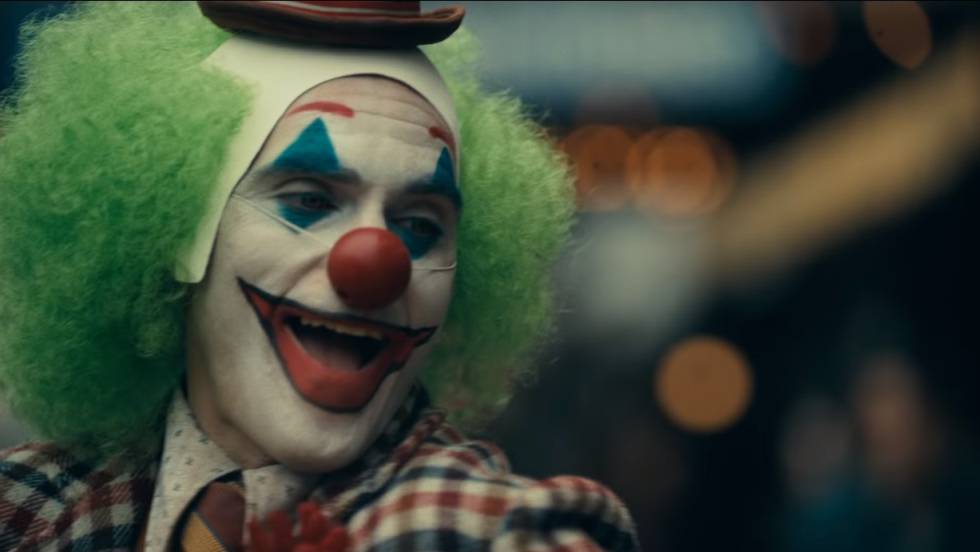
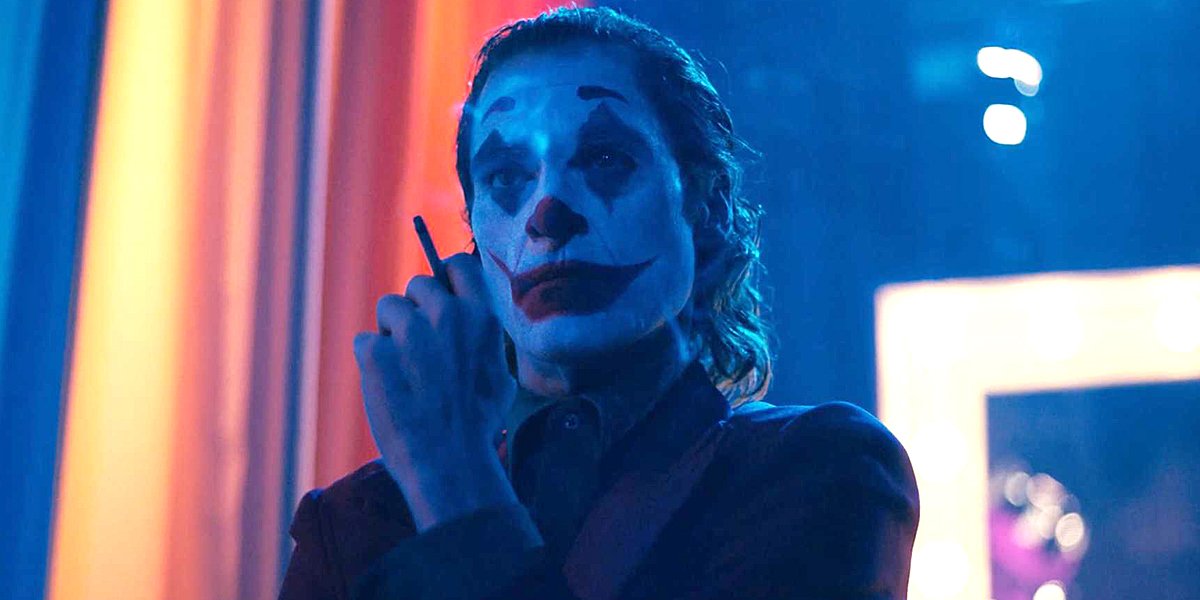
Joker (2019) is a psychological thriller movie directed by Todd Phillips (The Hangover Trilogy, War Dogs). It stars Joaquin Phoenix as Arthur Fleck, a failed comedian who turns into an insane criminal called Joker in the fictional Gotham City.


When I went to see Joker I had high expectations, because there were a lot of people who believed it was a masterpiece and others thought it was a violent and disturbing film that offered nothing, but shock value and a way to incite mass shootings. Generally speaking, I think that blaming a movie, or anything on the media for that matter (videogames, music, etc), for violent actions made by sick and violent individuals is a cheap scapegoat to face what's wrong with the world, which makes me ask: How are monsters created?


Joker is one of my favorite comic book villains ever, and I love the different interpretations made by writers, directors, and so on and so forth. Joker is a cultural icon as much as Batman and one cannot exist without bringing the other into the conversation. There are many incarnations of Joker such as The Batman Who Laughs, one of the scariest and most brutal villains Batman has had in the last few years or the critically-aclaimed Heath Ledger's Joker on the film The Dark Knight (2008) directed by Christopher Nolan or the infamous Jared Leto's version of the character in Suicide Squad (2016) directed by David Ayer. The list is endless and this new version portrayed by Phoenix is a wonder.


Joker is the story of man called Arthur Fleck, a comedian who suffers from a mental disorder that causes him to laugh uncontrollably and needs medication on a daily basis. Arthur has had it rough for some time: No friends, girlfriend or a good job, and has the responsibility to take care of his sick mother who writes letter to Thomas Wayne, father of you-know-who. The film is set in 1981, in Gotham City, and it is a rotten place: Full of trash, crime, corruption, hatred, inequality... A true living hell in which there is no Batman yet, so things can only get worse.

Resultado de imagen para joker 2019

Humanizing someome like the Joker is a tough job, because you are humanizing a mass murderer, someone who kills on a whim, someone who laughs at the most horrific things that you can do to another human being, and somehow it worked. Joker does a wonderful job at creating a villain origin. It shows us a man who struggles with his demons and his surroundings and how someone who takes too much shit is led to a breaking point where there is no return.

Resultado de imagen para joker 2019

The film criticizes the human condition and society (yes, I went there): In Joker everybody treats our main character like trash. The city is cruel and unrelenting, nobody tries to understand Arthur and this leads him further into isolating himself and becoming the worst version of himself. Monsters come in many shapes, colors and forms, and we usually just see the result of the things these so-called monsters do, but never go further into the root of the problem. Are people evil from the start? Are these mentally ill people to blame for everything? Do we collaborate to create them? I do believe that we help to create bad people by neglecting them and not giving them proper help. Mentally ill people are outcasts and people tend to ignore them as if they didn't exist at all. I'm not saying that having mental problems serves as a catalyst and/or a justification to do horrible crimes, but not giving a helping hand to the ones who need it is a big mistake and a cruel act.

Resultado de imagen para joker 2019

Joker also tackles social issues, such as the inequality between the rich and poor in Gotham City, and how the powerful people like Thomas Wayne have everything while there are people on the streets begging for food and money. Some see an anti-systemic or anti-capitalist message in this movie, and I can't say that I disagree with those people.

Resultado de imagen para joker 2019

Joker draws heavy influence from Scorsese's films such as Taxi Driver (1976) or The King of Comedy (1983). You can see that in the oppressive atmosphere the film offers and the fact that it is set in the 80's. Todd Phillips took concepts that we have previously seen on cinema, but put a new perspective to them to create a sad tale about a clown that brings more than just laughs. I like that despite the fact that it can be enjoyed by comic and non-comic fans alike, Joker gives the hard-to-please people an excellent Joker and Batman origin, reminding us that the two of them will always have fates intertwined, whether they want it or not.


As said before, Joaquin Phoenix does a wonderful job as the clown prince of crime, an Oscar-worthy performance, and Robert De Niro as the talk show host Murray Franklin is superb. Zazie Beetz and Frances Conroy are also great additions to the cast, among many others.

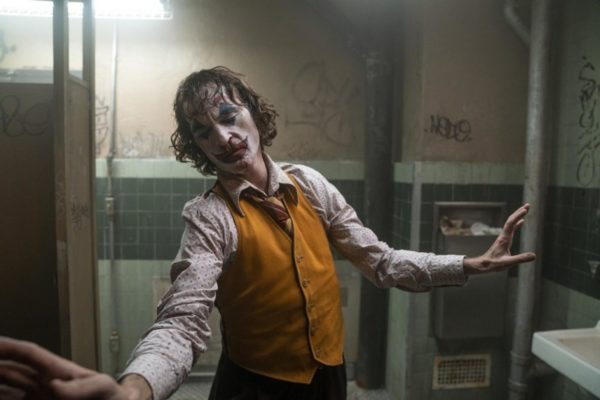
The music in the film plays an important role as well. Ranging from popular songs from the era the film is set in to an incredible and sorrowful original score composed by Hildur Guðnadóttir. The bathroom scene wouldn't be the same without that beautiful music.

The cinematography is amazing and you can see some references to Ledger's Joker in some scenes. The color palette has many colors, but mainly really opaque and oppresive shades to give us the feelings of isolation and despair our main character feels.


This world is a jungle full of predators, and Arthur was a prey who became a monster in order to survive. Moreover, Todd Phillips's Joker, as mentioned before, is a critique to our society (yes, I went there again), our capitalist system and how the poor, the oppressed and the misunderstood are screwed by the rich and powerful, and how a mentally unstable and broken man can become an icon against them by doing horrific things to be heard and seen in a city that simply doesn't want him to exist.

martes, 24 de septiembre de 2019

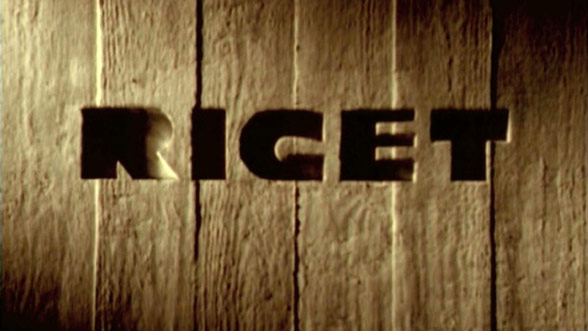
The Kingdom (Riget) (1994-1997): What A Weird World

DANISH SCUM!

The Kingdom (Riget in Danish) (1994-1997) is a Danish mini-series created by Lars Von Trier (Europa, Melancholia, Nymphomaniac) and directed by Von Trier himself and Morten Arnfred. The series consists of eight episodes that last between 1 hour and 1 hour and fifteen minutes, which are separated into two seasons of 4 episodes per each.


The list of episodes is:

- Riget (Season 1) (1994):

Day 1: Den hvide flok (The Unheavenly Host)
Day 2: Alliancen kalder (Thy Kingdom Come)
Day 3: Et fremmed legeme (A Foreign Body)
Day 4: De levende døde (The Living Dead)

- Riget II (Season 2) (1997):

Day 5: Mors in Tabula (Death on the Operation Table)
Day 6: Trækfuglene (Birds of Passage)
Day 7: Gargantua
Day 8: Pandæmonium


The Kingdom shows the lives of the doctors, patients, and workers of the hospital Rigshospitalet (nicknamed The Kingdom) in Copenhagen, Denmark. This hospital is haunted, and many characters interact with each other and face supernatural forces of good and evil.


I can describe Riget like a mix of Twin Peaks with House, M. D.; A really strange mix of psychological horror, black comedy, with some mystery and thriller elements. On the one hand, the darker elements present in this mini-series are surreal, weird, obscure and disturbing. There are ghosts, a deformed baby, cults, zombies, and so on and so forth. Many TV shows try to add a lot of special effects to create fear in their viewers and The Kingdom with less does more than many horror shows. On the other hand, the comedic elements are more related to black comedy and a Danish humor which is usual in other Von Trier's works. I laughed a lot at the stupid situations that the characters encountered and the fact that most of them were dumb... Really, really dumb.


The intro has some great music and I really liked the use of negative images (which Von Trier talked about extensively in his film The House That Jack Built) and the fact that Von Trier appeared at the end of every episode giving his acid comments on the series and insulting the audience about the futility of their boring lives and meaningless existence. Pretty "Danish".


Regarding the cinematography, Riget has abrupt cuts, which are present in other Von Trier's works, and a sepia scheme that is throughout the entire series. In addition, The Kingdom can be seen as a proto-Dogme 95 TV series. For the ones who don't know, Dogme 95 was a filmmaking movement founded by Lars Von Trier and Thomas Vinterberg in 1995. It had certain rules to follow and despite the fact that Riget existed before the movement was founded, you can see some elements that would soon appear in films like The Idiots (1998), another Von Trier film.


In addition, the characters are funny, charismatic, and silly. Ranging from xenophobic doctors and spiritists to workers with Down Syndrome; I seldom see people with Down Syndrome in acting and this was a really nice thing to see.


The story presented in the show has many subplots, such as the ghosts that haunt the hospital and the rivalry between Helmer and Krohshøj to clandestine races and sinister cults. There are so many stories that sometimes it can get very confusing for the viewers, and the fact that it never got a third season left most plots without a proper conclusion.  As a fun fact, the american writer Stephen King based his series Kingdom Hospital on The Kingdom.


What more is there to say? I can mention a lot of things, but I prefer that you enjoy the series and be immersed in this strange world that is The Kingdom and be prepared to take the Good with the Evil!

Favorite episode: Episode 4.

Cast (shamelessly taken from Wikipedia):

Ernst-Hugo Järegård – Stig Helmer
Kirsten Rolffes – Sigrid Drusse
Holger Juul Hansen – Einar Moesgaard
Søren Pilmark – Jørgen 'Hook' Krogshøj
Ghita Nørby – Rigmor Mortensen
Jens Okking – Bulder Harly Drusse
Otto Brandenburg – Hansen
Annevig Schelde Ebbe – Mary Krüger
Baard Owe – Palle Bondo
Birgitte Raaberg – Judith Petersen
Peter Mygind – Morten 'Mogge' Moesgaard
Vita Jensen – Female dishwasher
Morten Rotne Leffers – Male dishwasher
Solbjørg Højfeldt – Camilla
Udo Kier – Åge Krüger / Little Brother
Birthe Neumann – Secretary to Moesgaard, later to Helmer
Erik Wedersøe – Ole
John Hahn-Petersen – Secretary Nivesen
Henning Jensen – Director Bob
Louise Fribo – Sanne Jeppesen
Laura Christensen – Mona Jensen
Vera Gebuhr – Gerda
Ole Boisen – Christian
Nis Bank-Mikkelsen – Priest
Thomas Bo Larsen – The Falcon
Henrik Koefoed – Radiologist
Poul Hüttel – Steenbæk
Helle Virkner – Emma Mogensen
Stellan Skarsgård – The Swedish lawyer


jueves, 12 de septiembre de 2019

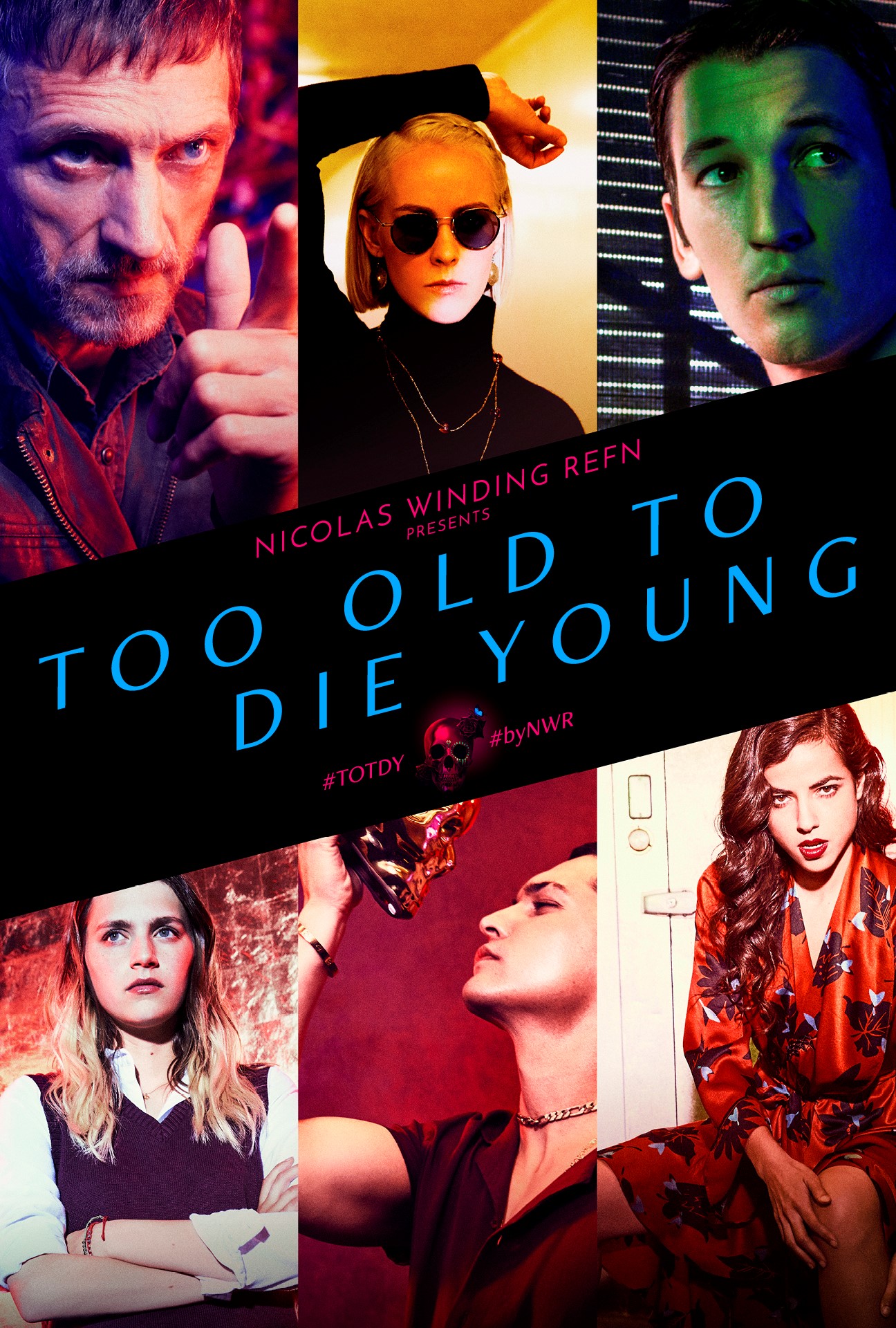
Too Old To Die Young (2019): We Get What We Deserve


"Martin: Society's falling. It's all collapsing around us.
Viggo: Soon our cities will be washed away by floods. Buried in sand. Burned to the ground. That's why you found me"

This is the first time I'm going to review a series, therefore I will try to do my best. 

Nicolas Winding Refn is one of my favorite directors. He is a polarizing person, which means he has many loyal fans and many detractors. This usually happens because his style is not for everybody. His movies have many symbolisms, slow-driven narrative, and silent main characters, usually accompanied by synth music and beautiful neon visuals. For some, he is an auteur who masterfully crafts his movies and for others a pretentious prick who has a big ego and overcomplicates things just to sound and look deep. For me it's a bit of both, however I am more on his side.


Too Old To Die Young is the first series made by this danish director and was released on Amazon on June 14, 2019. The series is comprised in ten episodes (or volumes) that last roughly 13 hours in total. Every episode lasts approximately an hour and a half and are named after the Major Arcana tarot cards as it follows:

- Volume 1: The Devil
- Volume 2: The Lovers
- Volume 3: The Hermit
- Volume 4: The Tower
- Volume 5: The Fool
- Volume 6: The High Priestess
- Volume 7: The Magician
- Volume 8: The Hanged Man
- Volume 9: The Empress
- Volume 10: The World


TOTDY tells the story of police officer Martin Jones (Miles Teller), whom, after his partner is killed by a Mexican cartel, embarks on a dark journey involving hit men, yakuzas, gangsters, rapists, drug dealers, pedophiles, vigilantes and even higher beings. The series mixes the worst of the worst in an attempt to show the evil side of humanity.


Martin is a reserved person. A character who rarely speaks or express emotion (usual in Refn's characters). He has a relationship with an underaged girl while he is almost thirty, and is also a corrupt cop, which means he is not our usual protagonist. A flawed person that, after a series of twists and turns becomes a cold-blooded vigilante looking to bring some sense of justice into the world.

Janey Carter (Nell Tiger Free) is Martin's underaged girlfriend. She met him after his mother's death during an ongoing investigation. She is naive, since she is still just a teenager, and deeply misses her mother. Janey lives with her father (William Baldwin), a very "unusual" individual to say the least.

Jesús Rojas (Augusto Aguilera) is the new leader of a Mexican drug cartel. He is a cruel and relentless person who doesn’t care who gets in his way. Physically, he looks like a greek statue and psychologically, he is a man with an Oedipus Rex complex. A character that deeply misses his mother too and has a thirst for power so great that is willing to command his men to bring hell on earth to become a king, which is a title he thinks he rightfully deserves.


Yaritza (Cristina Rodlo), also known as La Alta Sacerdotisa de La Muerte (The High Priestess of Death), is Jesús’ girlfriend. She is even crueler than Jesús. She resembles a female version of Driver from Drive. She is an avatar of death and brings vengeance to all the men who rape and kill women. A force of nature made woman (or is the other way around?). If Jesús is a king in the making, Yaritza is the queen he needs.

Viggo Larsen (John Hawkes), a one-eyed man dying from cancer and ex-FBI turned vigilante. Viggo is a man who loves his mother, but also loves killing pedophiles. As an ex-FBI his sense of justice is strong and since his death is near, he is going to take a few sinners with him along the way. Viggo sees in Martin a worthy successor that will follow in his steps once he’s gone. He also resembles a previous character that has appeared in at least three previous Refn’s films: The one-eyed character who seems to be God righting wrongs by using his wrath as a weapon against evil men.

Diana DeYoung (Jena Malone), Viggo’s friend and social worker. She is in touch with higher beings and also wants to be rid of the evil that plagues this world. She helps Viggo find sex offenders to murder and brings guidance to our two vigilantes.


In TOTDY there are many themes, which are going to create a great debate. There are some elements from surrealism and the supernatural, since there is some really weird shit going on and it reminds me of Twin Peaks (David Lynch). There are aliens, gods or higher beings running the show and Refn doesn't hold any punches in throwing all of these concepts.


In addition, feminism is another topic the show tackles through Yaritza's persona. Men in this show are wicked and women are hurt, raped and killed, but La Alta Sacerdotisa de la Muerte is here to stop them. The oppressed are no longer oppressed and the hunted become the hunter (or huntress?).

Moreover, there are some references to Trump's presidency and how modern society is going to collapse rather sooner than later. A manifesto about our cruel nature, our need of survival and how all the bad things we do as a race is going to doom us.


Also, themes of vigilantism, redemption and hypocrisy go hand-in-hand, since Martin tries to change the world by murdering offenders, but he has a relationship with a minor. He breaks the law and kills who he deems worthy of his justice, but fails to see the flaws in himself. A very complex character that was played really well by Teller. Props to him.

Narratively speaking the series is slow. For the ones accostumed to faster narratives the series might be boring, since it takes a lot of patience to keep going, but once the viewer gets used to it they are on a wild ride. Refn seems to believe that people are so used to watching fast-paced things that sometimes comtemplation and slow-driven stories are way better for a world that is so immersed in consumerism and express stuff.


The cinematography in TOTDY is impeccable, and we have to consider that Refn is colorblind, so he put a lot of trust into the people he works with. Everything is perfectly placed and it follows the same aesthetic present in previous Refn's works such as Drive, Only God Forgives and The Neon Demon. Every scene is beautiful to look at, even if what we see is something disturbing or violent. Each shot can be a wallpaper, a painting or a canvas.

The soundtrack present in the series also recalls previous Refn's movies. The electronic music made by composer Cliff Martínez is amazing as usual, and goes perfectly with the bleak world Refn and Brubaker have created. Moreover, the sounds when people die are brutally painful; you can feel the pain they go through.


Regarding the things I did not enjoy, it was the previously mentioned slow-driven narrative. I am used to slow, but not THIS slow. Moreover, the spanish was too low even with the speakers on full volume. I tried with the headphones on and it was the same, and I am a native spanish speaker. Another thing that I have mixed feelings about were the two final episodes. They were written by Refn and Halley Gross (Westworld) and it really showed a difference. You can finish the first eight episodes and the story can come full circle, so I think that perhaps the last two could have been potential ideas for a second season, which we are not going to get sadly. However, according to Refn you can watch TOTDY in any order. As a fun fact, he showed episodes four and five at Cannes, and I think that that is just further proof that he doesn't give a single fuck if we watch the series or not, and only wants to display his work as every artist.


All in all, Too Old To Die Young is a violent, beautiful, surreal and interesting series. It is not for everybody, but what Refn's work is? If you want something fresh and original you can watch this series, it doesn't offer a perfect product, but there are some really great concepts and ideas to think about. We are cursed, but at least we have good movies and series to watch until the end of everything arrives.

Best Episode:
Volume 5: The Fool

PS: Do not forget that Hideo Kojima appears on the series as a yakuza. Really fun!

martes, 3 de septiembre de 2019

Saya No Uta (2003): The Mirror's Truth


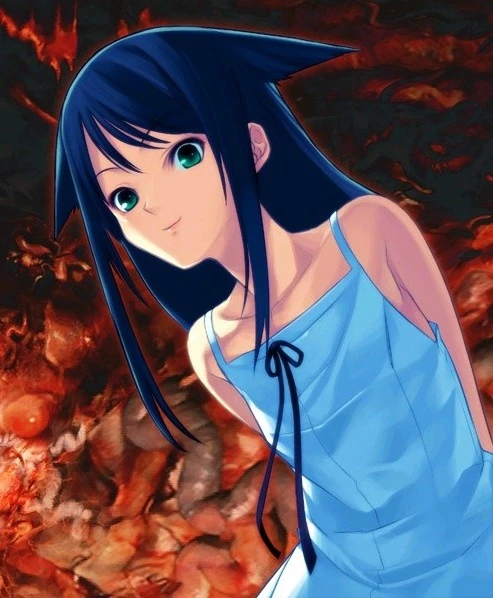
This is the first time that I am going to review a videogame, so I am not an expert in this field, even more so taking into consideration that this is a visual novel. For the people who do not know, a visual novel is a type of videogame in which a text-based story is accompanied often by anime-styled visuals and the players makes choices to progress throughout the story (this last part is not compulsory though). In other words, it is basically a videogame with lots of words and anime imagery that tell a novel-like story. I have played two visual novels: Doki Doki Literature Club and Katawa Shoujo (I am currently playing this one), so I'm familiar with this genre, and in this case, I am reviewing a horror visual novel called Saya No Uta (Song Of Saya in English), distributed by Nitroplus and written by Gen Urobuchi (the mind behind Puella Magi Madoka Magica, Fate/Zero, Psycho-Pass, among others). 

Saya No Uta tells the story of Fuminori Sakisaka, a medical student who is involved in a car crash, in which his parents die and he is left with a severe form of Agnosia, which means he perceives his world in a distorted manner: He sees the world as a horrific and gory hell made of flesh, and people as horrible monsters. 


The characters in the story are:

- Fuminori Sakisaka, our main character (MC).
- Saya, the beautiful "girl" who is in love with Fuminori.
- Koji Tonoh, Sakisaka's best friend.
- Omi Takahata, Tonoh's girlfriend and Sakisaka's friend as well.
- Yoh Tsukuba, MC's friend who has a crush on him.
- Ryoko Tanbo, physician who treats Fuminori.
- Yosuke Suzumi, Sakisaka's neighbor.
- Masahiko Ogai, former professor at the university hospital in which Fuminori studies.


As mentioned before, Sakisaka has friends (Yoh, Koji and Omi), but since his accident he is no longer able to see them as people. He decides to kill himself until he meets Saya, a cute little girl who appears normal to him and falls in love with. Fuminori sees Saya as a beacon of hope in all the darkness his life has become. But... Who is Saya? What is Saya? Those are the questions that make you keep playing.

The anime drawings are really beautiful and when the game shows Fuminori's hellish perception, it is disgusting and nightmarish: A universe you want to avoid at any cost and it looks like it was influenced by the likes of H. P. Lovecraft and Silent Hill.


Thematically, SNU tackles many ideas presented in the more recent Urobuchi's projects such as the role of morality in tragic and impossible-to-choose situations, the futility of existence and the heavy use of violence and gore to tell a very original and sad story.

The music is dark and oppressive, and it really complements the horror vibe SNU wants to transmit. Again, I feel the Silent Hill influence in the OST, which for me is a good thing. The voice work made by the actors and actresses is superb and the distorted monstrous sounds are bone-chilling.

Regarding, the gameplay, the choices inside the game are not many, and in reality you can achieve three endings and the game doesn't take many hours to be completed. Which may be a relief for people who are not used to visual novels, however, I truly believe that SNU may attract Urobuchi/anime/videogame/Lovecraft/Silent Hill/horror fans.


The game has many violent and disturbing moments which involve gore, rape, cannibalism, murder, among others, and while the player can avoid the erotic content in the settings menu, they can't escape Sakisaka's world. Saya No Uta is not for the faint of heart, but despite all the grim topics that are inside of it, it offers a sad tale about a tortured soul turned into a sadistic monster, and an out-of-this-world creature that finds love and humanity in a hell of their own making.

lunes, 12 de agosto de 2019

Silence (2016): To The End


I am a man who often struggles with his faith (or lack thereof). For me is really hard to see the good in people and the world around me. I want to be more positive, but most of the time I can't. I used to be a christian, someone who was really interested in biblical stories, but the more I grew up, the less closer to religion and God I felt, until one day I stopped believing. Now, as an adult, I often study and try to understand faith and the concept of God in different religions, but nothing is enough, and after watching Silence (2016), these thoughts about faith and God are even more present in my mind.

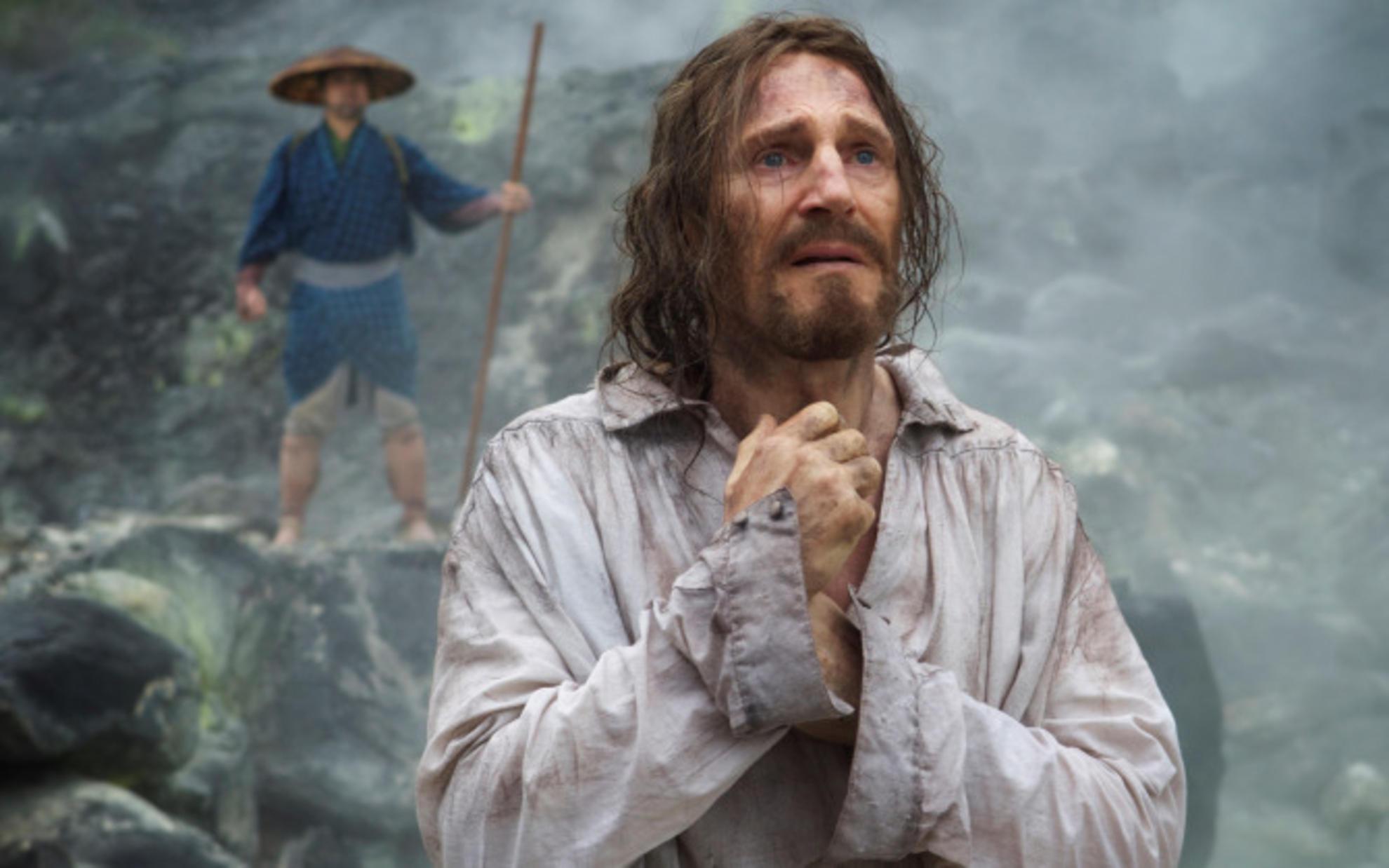
Silence is an historical period drama film directed by Martin Scorsese. This movie is based on the 1966 novel of the same name by Shūsaku Endō. The film follows Jesuits Sebastião Rodrigues (Andrew Garfield) and Francisco Garupe (Adam Driver) in their search for their mentor Cristóvão Ferreira in Japan (Liam Neeson), a man who allegedly renounced his religion. This journey takes them to a world of savagery and cruelty by the Tokugawa shogunate and the struggles our main character Rodrigues faces regarding his faith.


Is God silent? That's the main question that the films asks the viewer. Rodrigues sees all the suffering the japanese christians face each day and talks to God to find some sense in all that violence and cruelty. The lack of an answer, this "silence" that he feels is agonizing. Why do we suffer? Why does God allow suffering? Is it really worth to die for one's beliefs? The philosophical ideals and beliefs about Christianity and the japanese culture are complex and difficult to come to terms with: Are the japanese on the right side by pursuing foreigners who are trying to change their traditions? Even if they kill for it? Haven't christians done the same as well? 

Our main character Rodrigues (masterfully portrayed by Garfield) is a man who is fighting against himself. Someone who is not sure if his God will answer to his prayers or will always remain silent. Believing is hard, even if He gave humanity his son to die for our sins. God is silent, but Rodrigues isn't and tries his best to protect the people while trying to keep his faith intact. However, every man has a breaking point.


The theme of apostasy is another topic I would like to talk about, since the japanese authorities want their people to deny God, because it is unacceptable for them. If they deny God in front of the authorities, are they really abandoning their christian life style? Can you act like a non-believer, but at heart be loyal to God?

Another thing that I found intriguing is that there is no soundtrack in the film in order to create this "silence" throughout the story, just beautiful landscapes, cicadas singing, the waves crashing into the beach and the presence of God looming over in a chaotic world.


As said before, I'm not a religious man, but Silence made me understand what a man goes through when they believe in something greater than themselves and how a concept like God, which we barely "get", can redefine humanity's existence into something sacred and beautiful. Some believe, some don't, but universal concepts like love and forgiveness are core values of what makes us what we are and I hope that someone watches this film to learn more about the human condition and understand that remaining true to oneself is the key to find peace in an existence that not always gives us the answers we seek.